
The Global Demand for Indian Spices

India has long been celebrated as the land of spices. Its rich soil, diverse climate, and centuries-old traditions have made it a powerhouse in the spice industry. Today, the global demand for Indian spices continues to grow, driven by evolving culinary trends, health consciousness, and the increasing popularity of ethnic cuisines worldwide. As someone deeply involved in this sector, I want to share insights into why Indian spices remain indispensable in global markets and how businesses can tap into this thriving opportunity.
Understanding the Global Demand for Indian Spices
The global appetite for Indian spices is fueled by several factors. Indian spices are renowned for their quality, aroma, and unique flavor profiles. Countries across Europe, North America, the Middle East, and Asia import vast quantities of spices such as turmeric, cardamom, cumin, and black pepper. These spices are essential ingredients in many traditional dishes and are increasingly used in fusion cuisines.
Moreover, the rising awareness of the health benefits associated with spices like turmeric (known for its anti-inflammatory properties) and cinnamon (linked to blood sugar regulation) has boosted their demand. Consumers today are more inclined to choose natural and organic products, and Indian spices often meet these criteria due to traditional farming methods and organic certification efforts.
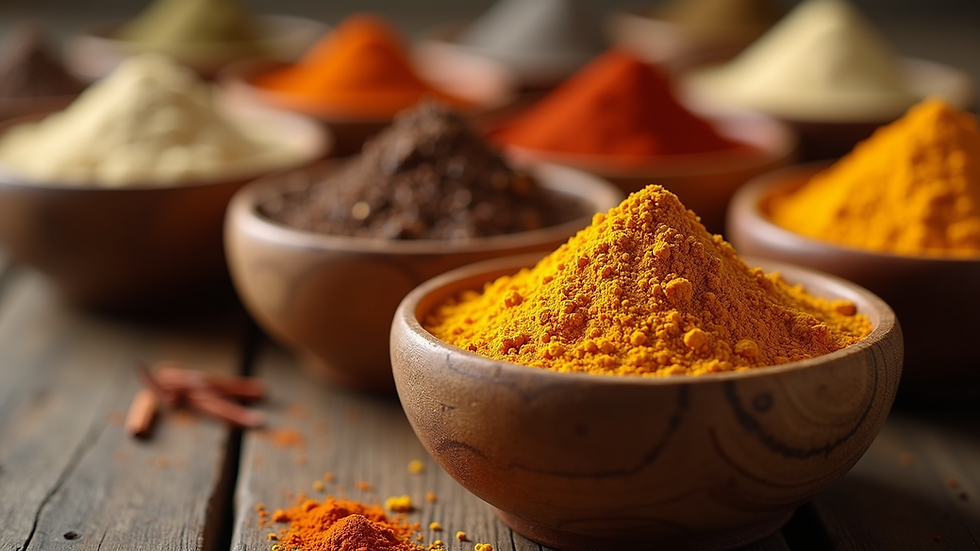
Close-up view of assorted Indian spices in wooden bowls
The demand is not limited to culinary uses. Indian spices are also sought after by the pharmaceutical, cosmetic, and wellness industries. For example, clove oil is used in dental care products, and sandalwood powder finds applications in skincare. This diversification of use further strengthens the global market for Indian spices.
Key Drivers Behind the Global Demand Indian Spices
Several key drivers contribute to the sustained and growing global demand Indian spices:
Culinary Diversity and Globalization
As international travel and cultural exchange increase, so does the curiosity for authentic flavors. Indian spices add depth and complexity to dishes, making them popular among chefs and home cooks alike.
Health and Wellness Trends
The shift towards natural remedies and superfoods has positioned spices like turmeric and ginger as staples in health-conscious diets. Scientific studies supporting their benefits have amplified this trend.
Sustainability and Organic Farming
Many Indian spice producers are adopting sustainable and organic farming practices. This appeals to environmentally aware consumers and businesses looking for ethically sourced ingredients.
Government Support and Export Infrastructure
The Indian government actively promotes spice exports through initiatives, quality control, and trade facilitation. This support helps maintain competitive pricing and consistent supply.
Innovation in Packaging and Processing
Modern packaging techniques ensure longer shelf life and better preservation of aroma and flavor. Value-added products such as spice blends and ready-to-use pastes also attract international buyers.

Eye-level view of Indian spice market with colorful sacks of spices
These factors collectively create a robust ecosystem that supports the global demand Indian spices enjoy today.
What is the Profit Margin on Exporting Spices?
Understanding the profit margin on exporting spices is crucial for businesses aiming to enter or expand in this market. Profit margins can vary widely depending on the type of spice, quality, processing level, and target market.
Raw Spices: Exporting raw or minimally processed spices typically yields lower profit margins, often ranging between 10% to 20%. This is due to competition and price sensitivity in bulk commodity markets.
Processed and Value-Added Products: Spices that are cleaned, ground, blended, or packaged attract higher margins, sometimes reaching 30% to 50%. These products cater to niche markets and premium segments.
Organic and Specialty Spices: Certified organic or rare spices command premium prices, improving profitability. Margins here can exceed 50%, especially when targeting health-conscious consumers.
Bulk vs. Retail Packaging: Bulk exports to manufacturers usually have lower margins compared to retail-ready packaging aimed at end consumers.
To maximize profit margins, exporters should focus on quality control, certification (such as ISO, Organic, Fair Trade), and building strong relationships with buyers. Efficient supply chain management and compliance with international standards also reduce costs and risks.
How Indian Spices Reach Global Markets
The journey of Indian spices from farms to international tables involves multiple stages:
Cultivation and Harvesting
Farmers grow spices in various regions, each suited to specific crops. For example, Kerala is famous for black pepper, while Gujarat produces large quantities of cumin.
Processing and Quality Control
After harvesting, spices undergo cleaning, drying, grading, and sometimes grinding. Quality control ensures that the spices meet international standards for purity and safety.
Packaging and Branding
Packaging plays a vital role in preserving freshness and appealing to buyers. Exporters often invest in attractive, tamper-proof packaging with clear labeling.
Logistics and Shipping
Efficient logistics are essential to maintain the quality of spices during transit. Exporters coordinate with freight forwarders and customs to ensure timely delivery.
Distribution and Retail
Once in the destination country, spices are distributed to wholesalers, retailers, and food manufacturers.
By streamlining these steps, exporters can enhance customer satisfaction and build long-term partnerships.
Opportunities for International Buyers in Indian Spice Markets
For international buyers, sourcing spices from India offers several advantages:
Wide Variety and Availability
India produces over 50 different spices, providing buyers with a broad selection to meet diverse needs.
Competitive Pricing
Due to large-scale production and government support, Indian spices are competitively priced without compromising quality.
Customization and Private Labeling
Many exporters offer customized blends and private labeling services, allowing buyers to create unique products.
Sustainability and Ethical Sourcing
Buyers increasingly demand sustainable products. Indian exporters are responding by adopting eco-friendly practices and certifications.
Reliable Supply Chains
Established infrastructure and experienced exporters ensure consistent supply and timely delivery.
To capitalize on these opportunities, buyers should conduct due diligence, verify certifications, and establish clear communication with suppliers.
For those interested in exploring the market further, spices export from india offers a comprehensive gateway to premium Indian spices with a focus on quality and sustainability.
Embracing the Future of Indian Spice Exports
The global demand for Indian spices is poised to grow even more in the coming years. Innovations in farming, processing, and marketing will continue to enhance the appeal of Indian spices. Digital platforms and e-commerce are opening new channels for exporters and buyers to connect directly.
Sustainability will remain a key focus, with more producers adopting organic methods and reducing environmental impact. Additionally, the integration of technology in traceability and quality assurance will build greater trust among international buyers.
For businesses looking to engage with this vibrant market, staying informed about global trends, investing in quality, and fostering strong partnerships will be essential. The rich heritage and unmatched diversity of Indian spices offer a unique advantage that can be leveraged to meet the evolving tastes and preferences of consumers worldwide.
By understanding these dynamics and acting strategically, international buyers can benefit from the rich flavors and health benefits that Indian spices bring to the global table.


Comments