
India's Key Agricultural Exports Explained

India has long been a powerhouse in agriculture, producing a diverse range of crops and products that meet both domestic needs and international demand. As global markets continue to evolve, understanding India's key agricultural exports is essential for international buyers seeking quality and reliability. In this post, I will walk you through the most significant agricultural exports from India, highlighting their importance, market trends, and what makes them stand out on the global stage.
Understanding India's Key Agricultural Exports
India's agricultural sector is vast and varied, contributing significantly to the country's economy. The diversity of climate and soil types across the country allows for the cultivation of a wide array of crops. This diversity is reflected in the export portfolio, which includes staples, spices, fruits, and other value-added products.
The government and private sectors have invested heavily in improving the quality and sustainability of agricultural products. This has helped India maintain its position as a leading exporter in several categories. For international buyers, this means access to premium products that meet global standards.
Some of the key agricultural exports from India include spices, rice, tea, coffee, and marine products. Each of these categories has unique characteristics and caters to different market needs. Understanding these can help buyers make informed decisions and build long-term partnerships.

What are the top 5 agriculture exports?
When we talk about India's top agricultural exports, five products consistently lead the way due to their volume, quality, and demand:
Spices
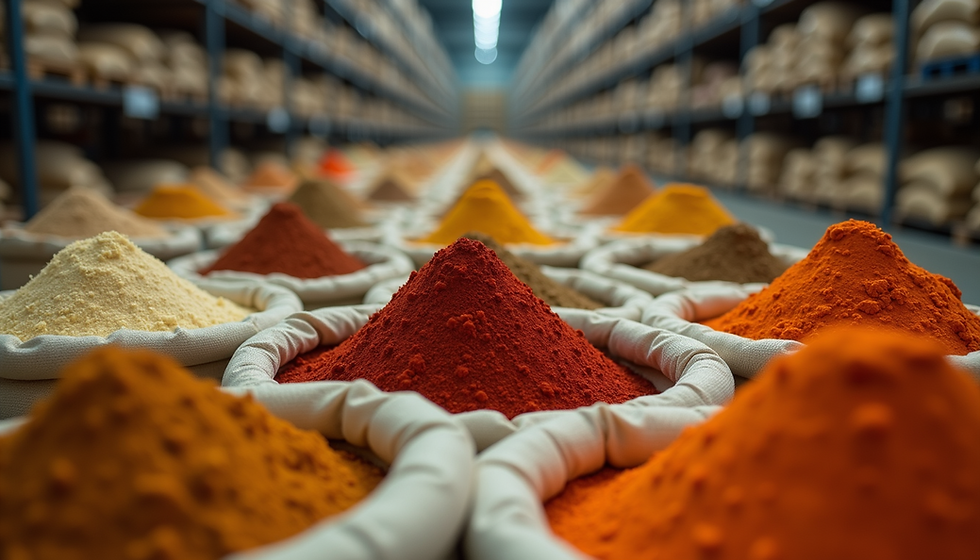
India is often called the "Land of Spices." It exports a wide variety of spices such as turmeric, cardamom, cumin, and black pepper. These spices are prized for their aroma, flavor, and medicinal properties. Indian spices are used worldwide in culinary and pharmaceutical industries.
Rice
India is one of the largest exporters of rice globally, especially basmati rice. Basmati is known for its distinctive aroma and long grains, making it a favorite in Middle Eastern, European, and American markets. Non-basmati rice varieties are also exported in large quantities.
Tea
Indian tea, particularly from Assam, Darjeeling, and Nilgiri regions, is renowned for its quality and flavor. The country exports both black and green tea, catering to diverse consumer preferences. Indian tea is a staple in many households and cafes worldwide.
Coffee
India produces both Arabica and Robusta coffee beans. Indian coffee is appreciated for its unique flavor profile, influenced by the country's diverse growing regions. It is exported mainly to Europe, the US, and Japan.
Marine Products
India has a thriving seafood export industry, including shrimp, fish, and other marine products. These are in high demand due to their freshness, quality, and competitive pricing. The seafood sector is a significant contributor to India's foreign exchange earnings.
These top exports reflect India's agricultural strengths and its ability to meet international quality standards consistently.
The Role of Sustainability and Quality in Exports
Sustainability is becoming a critical factor in global trade, and Indian exporters are increasingly adopting eco-friendly practices. From organic farming to sustainable harvesting and packaging, the focus is on reducing environmental impact while maintaining product quality.
For example, many spice growers have shifted to organic cultivation methods, avoiding synthetic pesticides and fertilizers. This not only enhances the product's appeal in health-conscious markets but also supports soil health and biodiversity.
Quality control is another area where Indian exporters excel. Strict adherence to international standards such as ISO, HACCP, and GlobalGAP ensures that products are safe, traceable, and meet buyer expectations. This commitment to quality builds trust and opens doors to premium markets.

How International Buyers Can Benefit from Indian Agricultural Exports
International buyers looking to source agricultural products from India can leverage several advantages:
Diverse Product Range: India offers a wide variety of agricultural products, allowing buyers to consolidate their sourcing from a single country.
Competitive Pricing: Due to large-scale production and efficient supply chains, Indian exports are competitively priced without compromising quality.
Customization and Flexibility: Many Indian exporters are willing to customize packaging, grading, and shipment schedules to meet specific buyer requirements.
Sustainability Credentials: Increasingly, Indian exporters provide organic and sustainably sourced products, aligning with global market trends.
Reliable Supply Chains: Improved infrastructure and logistics ensure timely delivery, which is crucial for perishable goods.
To maximize these benefits, buyers should engage with reputable exporters who have a proven track record and certifications. Establishing clear communication and understanding the regulatory requirements of both countries will also smooth the import process.
Future Trends in India's Agricultural Exports
Looking ahead, several trends are shaping the future of India's agricultural exports:
Value Addition: There is a growing focus on processed and packaged foods, such as ready-to-eat meals, spice blends, and organic snacks. This adds value and caters to changing consumer preferences.
Technology Integration: Use of blockchain for traceability, AI for crop monitoring, and advanced cold chain logistics are improving product quality and transparency.
Expanding Markets: While traditional markets like the Middle East, Europe, and the US remain important, new markets in Africa, Southeast Asia, and Latin America are emerging.
Sustainability and Certifications: Demand for certified organic, fair trade, and carbon-neutral products is increasing, pushing exporters to adopt greener practices.
Government Support: Initiatives like the Agricultural Export Policy and infrastructure development are expected to boost export volumes and quality.
By staying informed about these trends, buyers can anticipate market shifts and align their sourcing strategies accordingly.
Partnering with Aaryadi International for Premium Agricultural Products
For international buyers seeking reliable partners in India, Aaryadi International stands out as a leader. The company specializes in exporting premium agricultural products, sustainable tableware, and quality wood furniture. Their commitment to eco-friendly practices and dependable delivery makes them an ideal choice for global markets.
Aaryadi International’s expertise in handling diverse agricultural exports ensures that buyers receive products that meet stringent quality standards. Their focus on sustainability aligns with the growing demand for responsible sourcing, making them a forward-thinking partner.
By choosing a partner like Aaryadi International, buyers can confidently navigate the complexities of international trade and secure high-quality Indian agricultural products that enhance their offerings.
For more detailed information on agricultural exports from India, I encourage you to explore the resources and product catalogs available. This will help you make well-informed decisions and build successful trade relationships.
India’s agricultural exports offer a wealth of opportunities for international buyers. With the right knowledge and partners, you can tap into this vibrant market and enjoy the benefits of premium products, sustainable practices, and reliable supply chains.


Comments