
Unique Indian Spices: A Journey Through India's Aromatic Treasures

India's culinary heritage is deeply intertwined with its rich variety of spices. These spices are not only essential for flavoring food but also hold cultural, medicinal, and economic significance. As an international buyer or global market participant, understanding the unique Indian spices can open doors to premium products that combine tradition with quality. In this post, I will take you through some of the most unique and essential spices from India, highlighting their characteristics, uses, and export potential.
Exploring Unique Indian Spices: A Blend of Tradition and Quality
India is often called the "Land of Spices" for good reason. The country's diverse climate and geography allow for the cultivation of a wide range of spices, many of which are unique to specific regions. These spices are integral to Indian cuisine and have gained global recognition for their distinctive flavors and health benefits.
Some of the unique Indian spices that stand out include:
Kashmiri Red Chili: Known for its vibrant red color and mild heat, this chili adds a beautiful hue and subtle spice to dishes without overpowering them.
Black Cardamom (Badi Elaichi): Larger and smokier than green cardamom, it is used in hearty meat dishes and traditional Indian biryanis.
Asafoetida (Hing): A pungent resin used in small quantities, it imparts a unique umami flavor and aids digestion.
Mace (Javitri): The delicate outer covering of nutmeg, mace has a warm, aromatic flavor used in sweets and savory dishes.
Saffron (Kesar): The world’s most expensive spice, Indian saffron is prized for its aroma, color, and medicinal properties.
These spices are not only culinary essentials but also represent the rich agricultural heritage of India. Their cultivation often involves traditional farming methods that emphasize sustainability and quality, aligning well with the goals of exporters like Aaryadi International.

Kashmiri red chili pods showcasing their bright red color and mild heat
The Role of Unique Indian Spices in Global Markets
The global demand for authentic and high-quality spices is growing steadily. International buyers are increasingly seeking spices that offer not just flavor but also traceability, sustainability, and health benefits. Unique Indian spices fit perfectly into this niche.
For exporters, focusing on these spices means tapping into markets that value:
Authenticity: Genuine Indian spices with certified origins.
Sustainability: Eco-friendly farming and harvesting practices.
Quality Assurance: Rigorous quality control and packaging standards.
Health Benefits: Spices known for their medicinal properties, such as turmeric and ginger.
For example, turmeric from India is renowned worldwide for its anti-inflammatory and antioxidant properties. Similarly, cardamom and cinnamon are sought after for their aromatic qualities and use in both culinary and wellness products.
By offering these unique spices, exporters can cater to diverse industries including food processing, pharmaceuticals, cosmetics, and health supplements. This diversification enhances market resilience and growth potential.

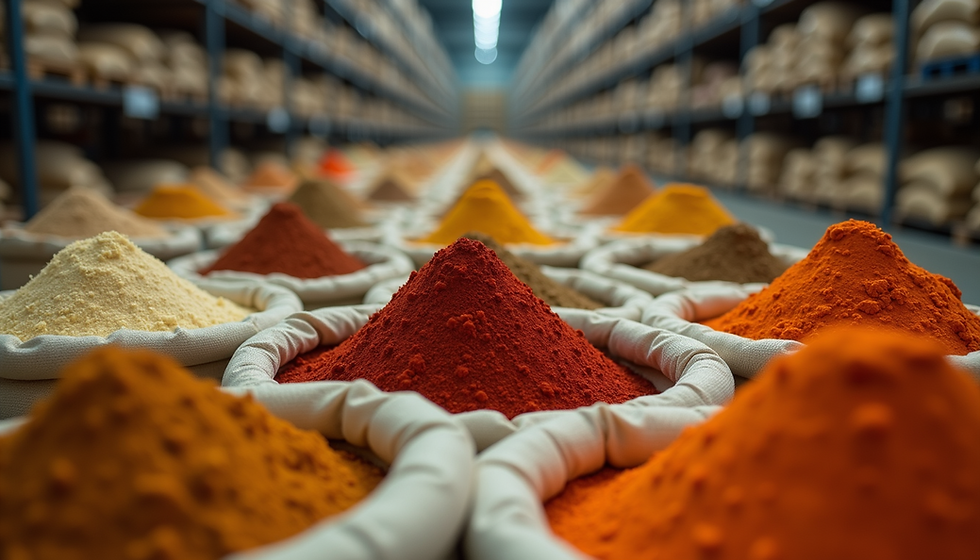
Traditional Indian spices displayed in containers, highlighting variety and quality
What is the most popular spice in India?
When discussing Indian spices, it is impossible to overlook turmeric. Turmeric is arguably the most popular and widely used spice in India. Its bright yellow color and earthy flavor make it a staple in almost every Indian kitchen.
Turmeric’s popularity extends beyond cooking. It is a key ingredient in Ayurvedic medicine and modern health supplements due to its active compound, curcumin, which has anti-inflammatory and antioxidant effects. The global wellness trend has further boosted turmeric’s demand, making it a valuable export commodity.
Other popular spices include cumin, coriander, and black pepper, each with its own unique flavor profile and culinary uses. However, turmeric’s versatility and health benefits place it at the forefront of Indian spices.
For international buyers, sourcing high-quality turmeric from India means accessing a product with a strong reputation and consistent demand. Ensuring the turmeric is organically grown and properly processed can add significant value in premium markets.
How to Choose and Source Premium Indian Spices
Selecting the right spices for international markets requires attention to several factors:
Origin and Authenticity: Verify the geographical origin of the spice. Certain regions in India are famous for specific spices, such as Malabar for black pepper or Kashmir for saffron.
Quality Standards: Look for spices that meet international quality certifications such as ISO, AGMARK, or organic certifications.
Processing and Packaging: Proper drying, cleaning, and packaging preserve the spice’s aroma and shelf life. Vacuum-sealed or nitrogen-flushed packaging is preferred for exports.
Sustainability Practices: Choose suppliers who follow eco-friendly farming and harvesting methods to meet the growing demand for sustainable products.
Traceability: Ensure the supply chain is transparent, allowing buyers to trace the spice back to its source.
Working with reputable exporters like Aaryadi International can simplify this process. They focus on premium agricultural products and sustainable practices, ensuring reliable delivery and quality assurance for international buyers.
The Economic and Cultural Significance of Indian Spices
Spices have shaped India’s economy and culture for centuries. Historically, the spice trade connected India with the rest of the world, influencing global cuisine and commerce. Today, spices remain a vital part of India’s agricultural exports.
Economically, spices contribute significantly to rural livelihoods and export revenues. Many spice-growing regions depend on this trade for employment and development. Culturally, spices are embedded in Indian rituals, festivals, and traditional medicine.
Understanding this background helps international buyers appreciate the value of Indian spices beyond their culinary use. It also highlights the importance of supporting sustainable and ethical sourcing practices that benefit local communities.
By investing in unique Indian spices, global markets can enjoy authentic flavors while contributing to the preservation of India’s rich agricultural heritage.
India’s unique and essential spices offer a world of opportunities for international buyers seeking premium, authentic, and sustainable products. From the vibrant Kashmiri chili to the golden turmeric, these spices carry centuries of tradition and quality. Partnering with trusted exporters ensures access to the best of what India has to offer, supporting both global culinary innovation and local communities.
For more information on sourcing authentic spices from India, consider exploring partnerships that prioritize quality, sustainability, and reliable delivery. This approach not only enriches your product portfolio but also aligns with the growing global demand for responsible and premium agricultural products.


Comments